Explore some of the common foot and lower-limb conditions
Heel Pain
Achilles Tendon Pain
Achilles Tendon Pain
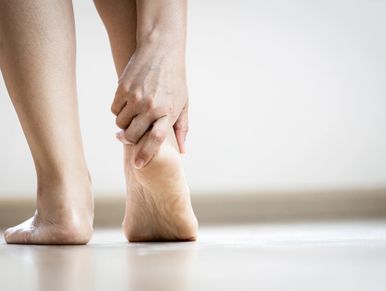
Heel pain is one of the most common foot problems we see, but not every painful heel is caused by plantar fasciitis. Pain can arise from several structures around the heel and may be influenced by activity, footwear, injury or changes in load. A thorough assessment helps us identify the likely source of your symptoms and develop an individual treatment plan, which may include rehabilitation, footwear advice, taping, orthoses or other treatments where appropriate.
Achilles Tendon Pain
Achilles Tendon Pain
Achilles Tendon Pain
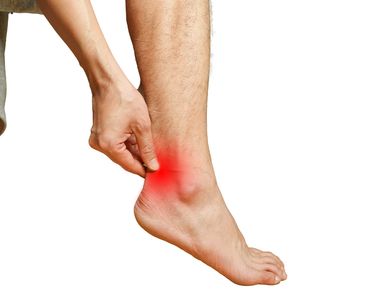
Achilles tendon problems can cause pain, stiffness, tenderness or swelling at the back of the heel or lower leg. Symptoms often develop gradually and may be associated with changes in activity, training or the amount of load placed on the tendon. Assessment can help determine the nature of the problem and guide an individual rehabilitation programme aimed at improving function and gradually returning you to your usual activities.
Arch Pain
Achilles Tendon Pain
Ball of Foot & Forefoot Pain
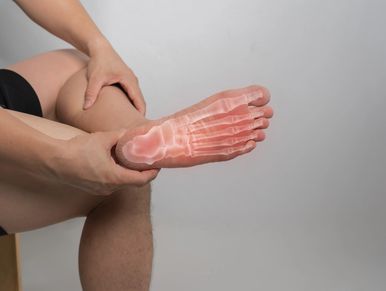
Pain through the arch of the foot can have several causes, including irritation of muscles, tendons, joints or the plantar fascia. Footwear, changes in activity and the way the foot is being loaded can also contribute. We assess the painful area alongside the wider function of the foot and lower limb to help determine what may be causing your symptoms and which treatment approach is most appropriate.
Ball of Foot & Forefoot Pain
Morton's Neuroma & Nerve Pain
Ball of Foot & Forefoot Pain
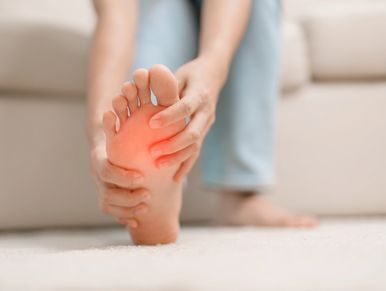
Pain in the ball of the foot may feel aching, burning or sharp, or sometimes like there is a pebble underneath the foot. There are many possible causes, including increased pressure, joint irritation, nerve-related conditions and injuries to the smaller structures of the forefoot. Assessment helps identify the structures likely to be involved so that treatment can be tailored to the individual.
Morton's Neuroma & Nerve Pain
Morton's Neuroma & Nerve Pain
Morton's Neuroma & Nerve Pain
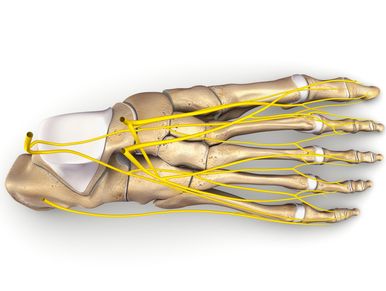
Morton's neuroma is a painful condition involving irritation of a nerve in the forefoot, commonly between the toes. Symptoms can include burning, tingling, numbness, shooting pain or the sensation of having a stone inside the shoe. Footwear and pressure across the forefoot can influence symptoms. Treatment depends on the assessment findings and may include footwear changes, offloading, orthoses and other treatment options where clinically appropriate. It may have many different appearances especially when presenting on the soles of the feet where the area could range from open blisters, to red itchy skin especially in the arches of the feet or a powdery very dry like appearance. The most important thing is to have the condition diagnosed and have the correct advise for treating it to ensure it does not spread to other areas of the body, or the nails. It is important to treat before any complications arise such as secondary infections
Big Toe Joint Pain
Morton's Neuroma & Nerve Pain
Morton's Neuroma & Nerve Pain
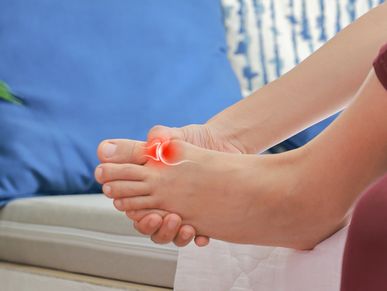
Pain and stiffness around the big toe joint can make walking, running and everyday footwear uncomfortable. Causes can include joint irritation, arthritis, injury or changes in movement at the joint. Assessment considers the joint itself as well as footwear, activity and the wider function of the foot. Treatment is based on the cause and severity of symptoms and may include footwear modification, exercises, orthoses or other appropriate therapies.
Sesamoid Pain
Tendon Pain & Tendinopathy (Tendinitis)
Tendon Pain & Tendinopathy (Tendinitis)

The sesamoids are two small bones located underneath the big toe joint that help the foot function during walking and running. These structures can become painful following increased activity, repetitive loading or injury. Symptoms are usually felt underneath the ball of the foot near the big toe. Treatment focuses on identifying the cause and reducing pressure on the painful area while allowing the tissues to recover.
Tendon Pain & Tendinopathy (Tendinitis)
Tendon Pain & Tendinopathy (Tendinitis)
Tendon Pain & Tendinopathy (Tendinitis)
Tendons connect muscles to bones and play an important role in movement and stability. Tendon problems can develop gradually through repeated loading or occur following changes in activity, training or injury. Symptoms may include pain, stiffness, swelling or weakness and can affect the Achilles and other tendons around the foot and ankle. Assessment helps us identify which structures may be involved and contributing factors such as strength, movement, footwear and activity. Management may include progressive rehabilitation, load modification, taping, orthoses or other treatments, with diagnostic ultrasound considered where appropriate.
Ankle Pain & Instability
Tendon Pain & Tendinopathy (Tendinitis)
Hallux Limitus & Hallux Rigidus
Ankle pain can occur following an injury or develop gradually over time. Some people also experience repeated ankle sprains or a feeling that the ankle is unstable or likely to give way. Assessment can include joint movement, muscle strength, balance and lower-limb function. Management may involve progressive rehabilitation, strengthening, balance exercises, footwear advice and other treatments depending on the findings.
Hallux Limitus & Hallux Rigidus
Recurring Foot & Lower-Limb Pain
Hallux Limitus & Hallux Rigidus
Hallux limitus describes reduced movement at the big toe joint, while hallux rigidus refers to more significant stiffness, often associated with osteoarthritis of the joint. Symptoms can include pain when walking or running, difficulty bending through the big toe, stiffness and a bony prominence around the joint. Assessment looks at the movement of the joint, your symptoms, footwear and the way the foot functions. Management may include footwear modifications, exercises, orthoses and other treatments aimed at reducing painful stress on the joint and maintaining comfortable activity.
Sports Injuries
Recurring Foot & Lower-Limb Pain
Recurring Foot & Lower-Limb Pain
Sports and exercise-related foot and lower-limb injuries can affect everyone from occasional walkers to competitive athletes. Injuries may occur suddenly or develop gradually as training or activity increases. We assess the injury alongside factors such as strength, movement, footwear, training and recovery, with the aim of creating an individual rehabilitation plan and helping you return safely to the activities you enjoy.
Recurring Foot & Lower-Limb Pain
Recurring Foot & Lower-Limb Pain
Recurring Foot & Lower-Limb Pain
Pain that repeatedly returns can be frustrating, particularly when previous treatment has only provided temporary relief. Recurring symptoms may involve several contributing factors rather than one single problem. A more detailed MSK and biomechanical assessment can help us look at movement, strength, footwear, activity and previous injuries to better understand the problem and develop a longer-term management strategy.