Skin Conditions
Corns & Callus
Cracked Heels & Fissures
Cracked Heels & Fissures
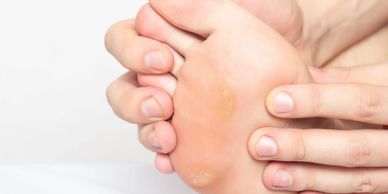
Corns and callus develop in response to repeated pressure or friction and can sometimes become very painful. Treatment involves carefully reducing the hard skin or corn while also considering why it has developed. Footwear, foot shape, activity and pressure distribution may all contribute. Where appropriate, we can recommend padding, footwear changes, orthoses or specialist treatments for persistent or recurring corns.
Cracked Heels & Fissures
Cracked Heels & Fissures
Cracked Heels & Fissures
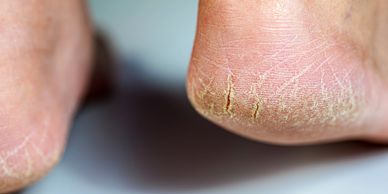
Dry, thickened skin around the heels can split and form painful cracks or fissures. In more severe cases these may bleed or increase the risk of infection. Podiatry treatment can safely reduce excessive hard skin and help improve the condition of the heel. We can also recommend suitable moisturisers, footwear and a home-care routine to help prevent the problem from returning.
Verrucae
Cracked Heels & Fissures
Athlete's Foot
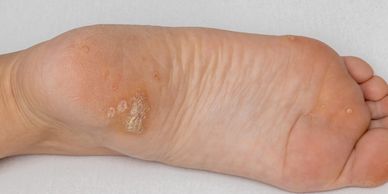
Verrucae are caused by the human papillomavirus (HPV) and commonly appear on the soles of the feet or around the toes. Some are painless and resolve without treatment, while others can become painful, spread or persist for a long time. We can confirm whether a lesion is likely to be a verruca and discuss whether monitoring or treatment is appropriate, including the treatment options available at the clinic.
Athlete's Foot
Athlete's Foot
Athlete's Foot
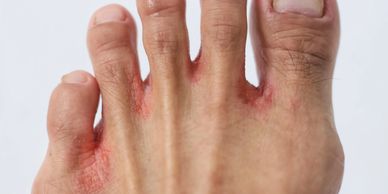
Athlete's foot is a common fungal infection of the skin. It can cause itching, redness, scaling, cracking or peeling, particularly between the toes or across the soles of the feet. Because other skin conditions can sometimes look similar, assessment may be helpful when symptoms persist or repeatedly return. We can provide advice on treatment, footwear, foot hygiene and reducing the likelihood of recurrence.
Blisters
Athlete's Foot
Blisters
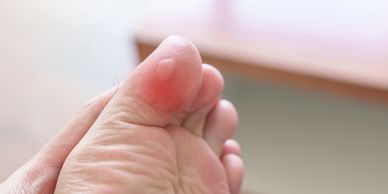
Blisters commonly develop when friction, heat or repeated pressure causes fluid to collect beneath the skin. They are particularly common during sport, long-distance walking or when wearing new or poorly fitting footwear. Most heal naturally, but recurrent or painful blisters may indicate an underlying pressure or footwear problem. We can help identify contributing factors and advise on protection, prevention and appropriate footwear.
Dry Skin
Athlete's Foot
Blisters

Dry skin on the feet can become rough, uncomfortable and prone to cracking, particularly around the heels. Age, footwear, environmental factors and some health conditions can contribute. We can assess the condition of your skin, safely remove excessive hard skin where required and recommend suitable products and a simple foot-care routine to help maintain healthier skin.
Dermatitis & Skin Irritation

Dermatitis can cause the skin of the feet to become red, itchy, dry, cracked or inflamed. There are several different types and causes, including irritation, allergic reactions and inflammatory skin conditions, and some fungal infections can produce a similar appearance. Assessment can help identify features that may indicate the likely cause and guide appropriate foot-care advice. Where necessary, we may recommend treatment through your pharmacist or GP, or further assessment by another healthcare professional.